Introduction
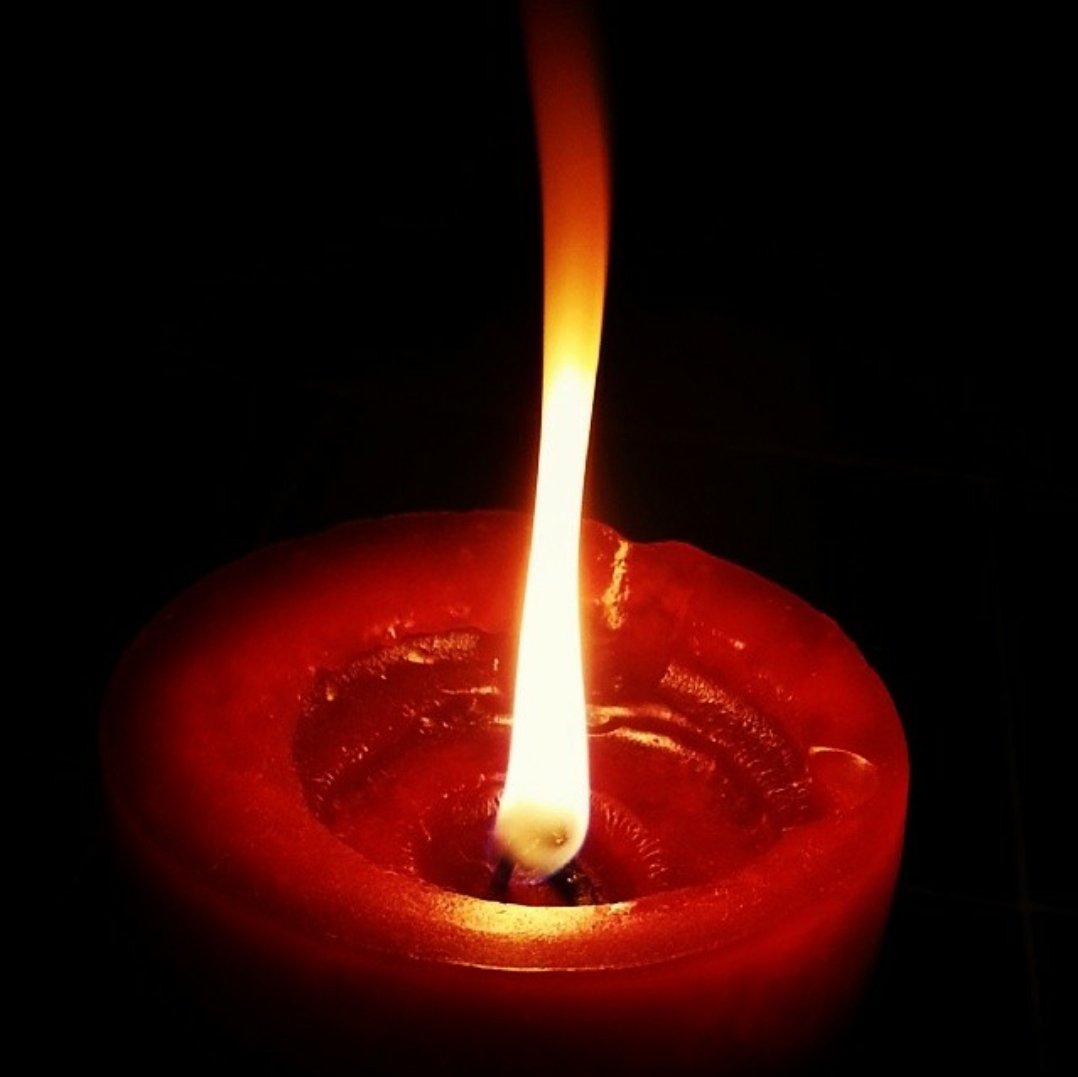
Fire scrying, also referred to as pyromancy, is an ancient method of scrying that dates back to the seventh century B.C. and has been practiced in many cultures around the world. Before we get into it, let’s talk about the difference between fire scrying and fire divination. Fire scrying is “the art of obtaining extrasensory information by the agents of the unconscious mind in the form of sensory metaphors” and fire divination is “the interpretation of various motions and shapes of flames and its related phenomena according to a set system of rules.” In layman’s terms, fire scrying is looking for images in the fire while fire divination is interpreting the movements and shapes of the flame. Fire divination doesn’t require psychic ability. Today we’ll be covering fire scrying.
History
First, let’s talk about the ancient Egyptian/Babylonian art of lamp scrying. This method involves scrying in the fire of an oil lamp. Traditionally, this “lamp” was a low, open stone dish full of oil. The oil used was a “clear Oasis oil.” A strip of white linen was coiled inside and draped over the lamp. The end of the wick was lit and as it burned, more and more of the wick was pulled out and draped over the lamp so it could continue burning. The dish was red, to symbolize Set, god of evil.
The lamp was set on a table with the scryer sitting on the west side, facing east. Egyptian houses were built at ground level, with only packed mud or paving stones as a floor. Because of this, the scryer and the table were rested upon new bricks so as to break direct contact between the scryer and the earth.
It was common for the scryer to paint their eyes before scrying. The eye makeup was bold, with utchat symbols drawn on the eyes. The utchat is the traditional eye symbol often seen in Egyptian art. The utchat of Thoth was painted on the left eye and the utchat of Ra was painted on the right eye. The utchat of Ra is shown below; the utchat of Thoth is the same, but with a wide crescent shape underneath. These were often referred to as the white eye (left) and the black eye (right) of Horus. They represented the sun and moon, respectively. Often, juice of mugwort or vervain was mixed with this eye makeup and painted on the lids, forehead, and between the eyebrows to help induce the mental state of scrying.

Practice
When practicing this method of scrying, you don’t have to stick too close to tradition. For a lamp, you can create one with artist’s clay, use a small ceramic or stone dish with a broad rim, or even use a small ashtray. It’s important that this dish, whichever you choose to use, is new. Don’t use a soiled one, no matter how well you clean it. Although the Egyptians used red lamps specifically, you should avoid this color. Red is meant to symbolize Set, god of evil, so this color will bring darker entities. For the oil in the lamp, any vegetable oil will do – the clearer the better.
If you wish, you can even use a candle instead of a lamp. This technique is much simpler, since you don’t have to attend to it and adjust the wick as it burns. You can use specific scents you like associated with the seven days, though it’s better to use just one or none at all if you can’t find ones you like. You can implement these scented oils in the oil of your lamp or to anoint the candle. Alternatively, scented candles can be used. You can also choose to simply burn incense instead.
**IMPORTANT** if you decide to use scented oils, please make sure they are safe for pets if you have them! Certain oils can have serious or even deadly effects on animals, so do your research beforehand.
Since modern houses are elevated from the ground, the act of elevating yourself and your scrying table is more symbolic than practical and totally optional. If you wish to do it, you can buy ceramic floor tiles in a natural color or use actual bricks. If you use bricks, make sure they’re not too bright of a red, for the same reasons as the lamp. These tiles or bricks should be placed beneath each leg of your chair and scrying table. Also, make sure to elevate your feet.
The act of painting your eyes for this scrying method is optional as well. If you choose to do it, blue and green are appropriate colors to use. You can go simple and just use these colors, or you can draw on the utchat symbols described above. You can also use the juice of mugwort, vervain, or other scrying herbs on your eyelids, forehead, and between your eyebrows, as described above. Take care not to get any in your eyes.
Setting Up
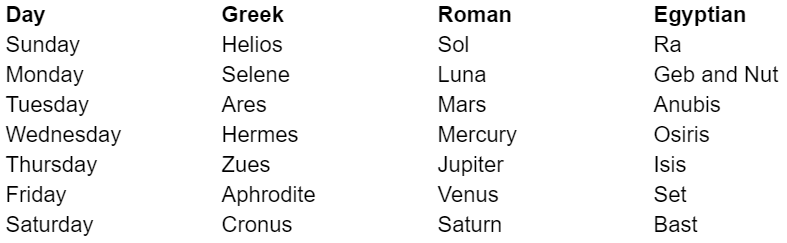
With this method, it’s common to work with the greco-roman gods who rule the days, as they are more common than the Egyptian gods. I included both for reference, though you can work with whichever deities you’re comfortable with. If you plan to work with these planetary deities often, read up on them beforehand. Whichever deity you choose to work with, make sure you have a clear mental image of them before you start. The gods of the days are shown below in the chart:
To implement this method of scrying, stare directly into the flame. Don’t look away and don’t be afraid. After a while, you’ll start to see a light shining out from the flame of the lamp; this is spiritual radiance and will be brighter than the color of the usual flame. Address your deity and chant an invocation to them. You should chant so that your breath strikes the flame. Repeat your chant seven times. There’s no need to memorize this; what’s most important is that your intention is there.
Continue to focus on the flame. You should begin to see shadows off to the sides. Make sure you don’t look directly at them, or they’ll vanish. Try focusing on them with your peripheral vision; this may take some practice. Watch the shadows and shapes out of the corners of your eyes until they indicate the presence of your deity. Direct them by their name to present the desired information. The form with which your deity presents information to you depends on your scrying ability level; if you’re better at images and visual scrying, you will probably see images, if you’re more receptive to sounds, you will hear sounds, etc.
If your scrying abilities are more limited, look for any signs they may be trying to use to communicate. Usually these will be responses to yes or no questions. These can be anything, for example: feeling a touch on your face, feeling the sensation of a breeze on your skin, feeling a stirring within your body, seeing a bright flash of light, seeing movement in the edge of your vision, hearing a musical tone in your head, hearing a knock on the table, floor, door, or some other part of the house, etc.
Method
To begin, you will use the same method mentioned in the previous blog post:
Darken the room. The only light source should be your lamp or candle for scrying. The background should be basic, with nothing to distract you from your scrying tool. It is common to burn incense, unless your candle or lamp is scented. Quiet, simple music can be played in the background if you so desire.
Cast your circle, say a protective prayer, and begin scrying. Stare directly into the flame. After a while, you’ll see a spiritual radiance. Chant an invocation to your deity so that your breath strikes the flame and repeat seven times. You should begin to see shadows and shapes off to the sides – observe them with your peripheral vision. Once they indicate the presence of your deity, direct them by their name to present the desired information. Observe with an absent mind and reflect on your experiences later.
Once you are finished scrying, close your circle, thank your deities, and say a closing prayer. Extinguish your candle and incense and return your scrying materials to storage.
Next week we’ll talk about another method of fire scrying – fire gazing! So check back soon!
Sources
Cunningham, Scott. Divination for Beginners. Woodbury, Minn., U.S.A: Llewellyn Publications, 2008.
Silva, Angy. “Gods Days of the Week.” SlideShare, 30 Mar. 2016, http://www.slideshare.net/AngySilva/gods-days-of-the-week-autoguardado.
Tyson, Donald. Scrying for Beginners. Woodbury, Minn., U.S.A: Llewellyn Publications, 1997. Print.
 Northern Lights Wicca